
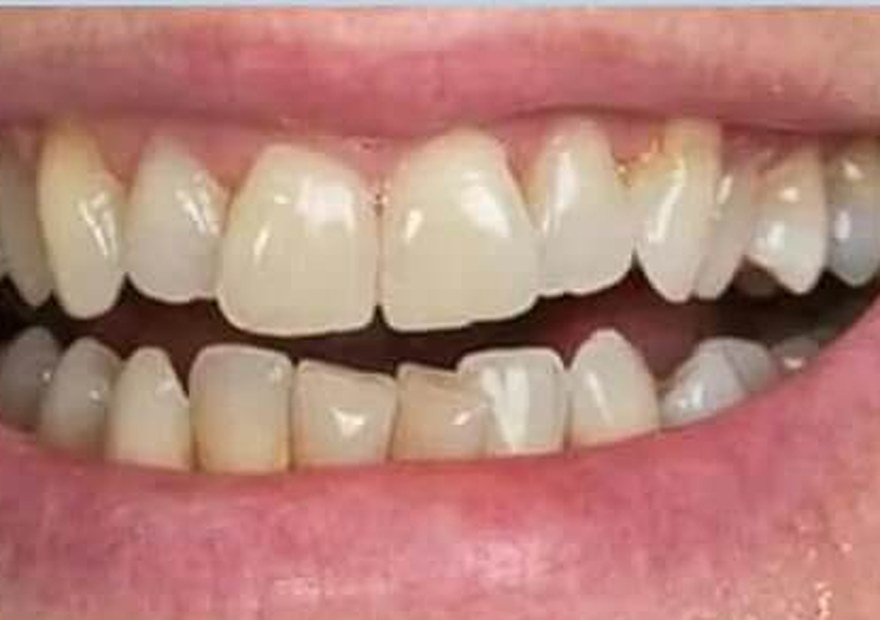
Whitening powder does do something. It polishes the outside of your teeth, slowly. That is the only job it can do, and it is not the one you bought it for.
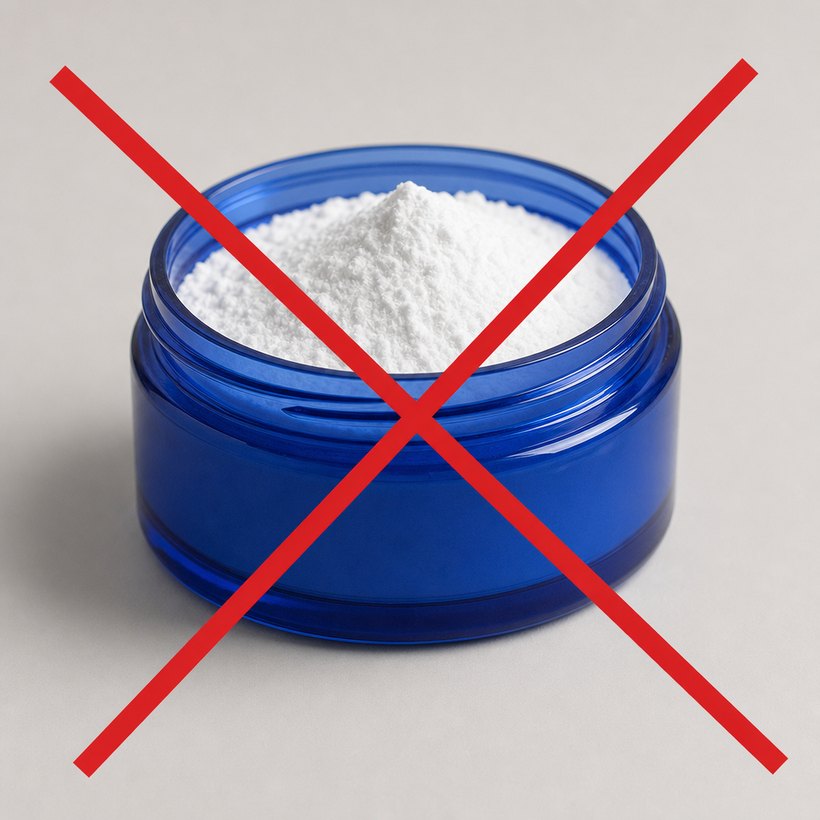
Fine particles scrape at the film on the front of the tooth. A little comes away each time, which is why the jar asks for twice a day for weeks before you are allowed to judge it.
So you keep going. And that is where it stops being a good trade.
What is actually being removed
Nothing about scrubbing distinguishes between the film and the surface it is sitting on. Both are on the outside of the tooth, and both come off.
Two minutes is the whole problem. Whitening works as concentration multiplied by contact time. A powder is brushed on, diluted by saliva, and rinsed away inside two minutes. A tray holds the gel against your enamel for thirty, undiluted, with a light driving it.
And a powder still has to carry its active on an abrasive particle. Most brands never publish an abrasivity figure. Where testing exists, on charcoal formulations, it runs 200 to 250 RDA against an ADA ceiling of 250.
Already convinced? This is what we point people at.
See The Aura Glow LED KitThirty minutes a session. 60 day money-back guarantee.Enamel has no living cells. It does not repair, thicken or come back. Whatever comes off at thirty is simply not there at sixty.
The part that catches people out
Under the enamel sits dentin. Dentin is naturally yellow, and enamel is the layer that hides it.
Thin the enamel and you do not reveal a whiter tooth. You reveal the yellow layer underneath.
This is the outcome people describe when they say the powder "stopped working." It did not stop working. It kept working, on the wrong thing, and the colour showing through now is coming from below.
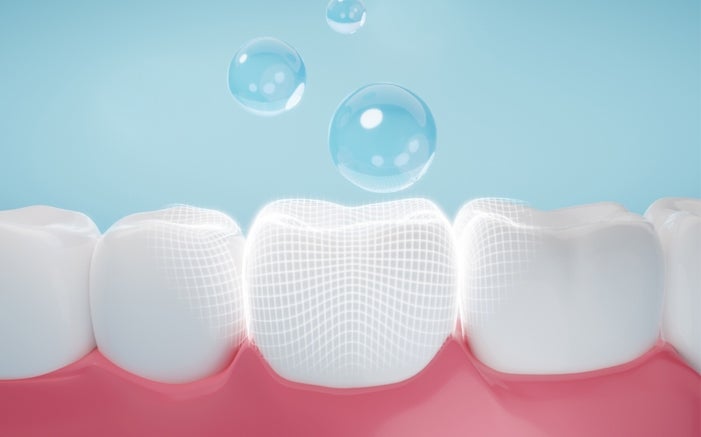
You will not feel any of this happen. There is no moment where it hurts and you stop. The first signal most people get is cold water starting to sting, which arrives long after the decision that caused it.
Whitening and cleaning are not the same job
Here is the distinction the whole category depends on you not making.
Cleaning removes what is on the tooth. Whitening changes the colour of the tooth itself. Powder can only ever do the first one.
The discolouration that actually bothers people, the deep yellowing from years of coffee, tea, wine and age, is pigment inside the enamel and dentin. It is not sitting on the surface waiting to be buffed. No amount of scrubbing reaches it, which is why powder plateaus after the film is gone and then starts costing you.
What reaches it instead
The whitening done in a dental office is chemical. A peroxide gel is held against the tooth for a set number of minutes and breaks the pigment molecules down where they actually are. Nothing is scraped off.
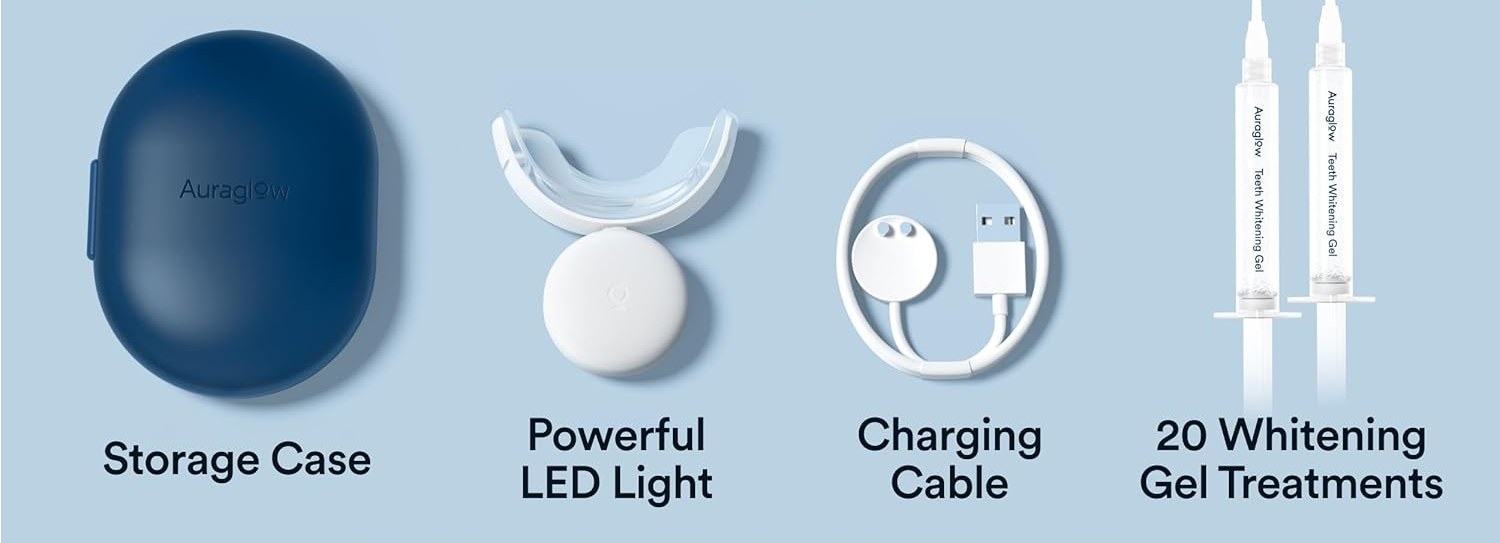
The at-home version is a gel with an LED light over it. Aura Glow pairs twenty gel treatments with a rechargeable light, and the light is what compresses the job into a single sitting.
Three objections come up every time, and all three are fair.
-
It works underneath, not on top
Most people assume whitening is whitening and the format is just preference.
The stain people want gone is inside the tooth. A gel diffuses through the enamel and acts on that pigment directly, which is the part abrasion can never reach no matter how long you brush.
-
There is a dose, and a timer, and a stop
Dentists warn that peroxide can cause sensitivity, and they are right that it can.
The difference is control. A concentration, a tray, thirty minutes, and a light that beeps when the session is over. Abrasion has none of that: it is however hard you pressed, on a surface with no way back. One of those you can dial down. The other you cannot undo.
-
It does not rinse off with your next coffee
Half the whitening products on the market are theatre in a nice jar.
Which is why the mechanism is the only part worth reading. The pigment itself is changed rather than polished around, so the result stays. And because an LED accelerates the gel, the manufacturer states the first thirty-minute session is visible straight away.
What is in the box
- 20 whitening gel treatments in two pre-filled syringes.
- A powerful LED light. This is the part that accelerates the gel, and the reason a session is thirty minutes rather than a month of mornings.
- Charging cable. The light recharges over USB, so there are no batteries to buy. A USB wall plug is not included and any phone plug will do.
- Storage case, so the tray and light are not loose in a bathroom drawer.
- Thirty minutes per session. The manufacturer states LED-accelerated results in 30 minutes and a brighter smile after the first use. Results vary.
One takes six weeks and a little of your enamel. The other takes half an hour and leaves your teeth alone.
See the Aura Glow whitening kit
Check AvailabilityManufacturer's 60 day money-back guaranteeEverything else you can buy, and where each one stops
There are really only four ways to lighten teeth, and they are nowhere near equivalent. The difference comes down to the same two things every time: what the active is, and how long it stays where you put it.
-
Powder
Two minutes of brushing. No containment, no light.
An abrasive on a brush, watered down by saliva and then spat out. It polishes the surface and never reaches the pigment inside the tooth, which is why the shade always drifts back.
-
Strips
The right chemistry in the wrong delivery.
Strips do carry peroxide, which puts them ahead of powder straight away. The trouble is fit. A flat strip on a curved arch slides, leaves gaps along the gum line and misses the sides of the teeth, so you end up with a patchy result and two bright front teeth.
-
Pens
The shortest contact time of anything sold.
You paint the gel on and your saliva starts washing it off immediately. Nothing holds it against the tooth, so most of the dose is gone before it has done anything.
-
The dentist's chair
The best result, at roughly $300 to $1,000 a visit.
A strong gel, held in place, accelerated with a lamp, under supervision. It genuinely works. It also costs the most and usually wants a touch up inside the year.
A tray and a light is the chair's method, shrunk to fit your bathroom.
The gel is held against every tooth instead of painted on and hoped over. The tray keeps saliva off it for the full thirty minutes. The light drives the reaction the same way the lamp in the surgery does.
That is the whole reason it works when the jar did not, and it is why we keep coming back to the same recommendation.
Two ways this goes
Keep scrubbing, and the film keeps coming back, so you keep scrubbing. The enamel gets thinner, the dentin shows through more, and the shade slowly moves the wrong way while you are actively working on it.
Or you stop taking material off, and start changing the colour of what is already there.
Enamel loss does not reverse. It also does not continue once you stop.

What people report
-
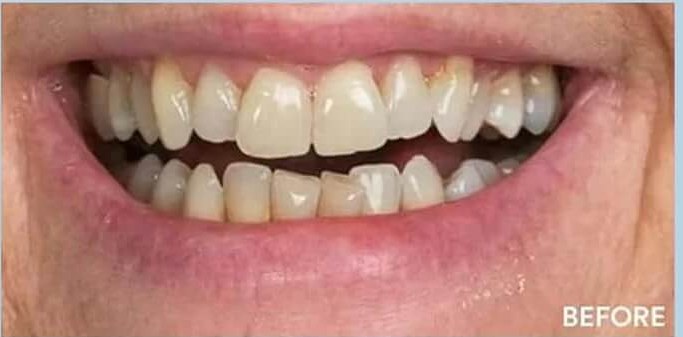
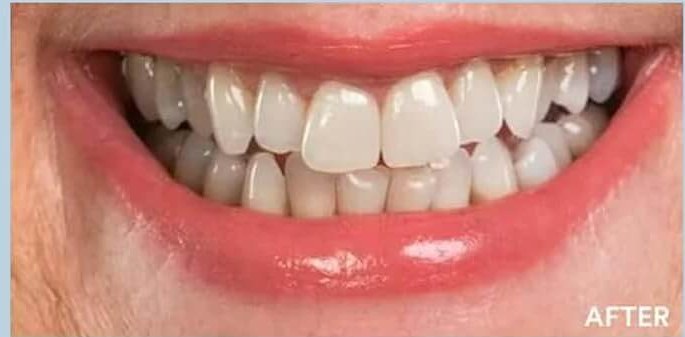
My teeth were getting yellower

Two years of powder and I could not work out why they looked worse. Switched to the tray and got further in a week than the whole time before it.
Priya Verified Buyer
-
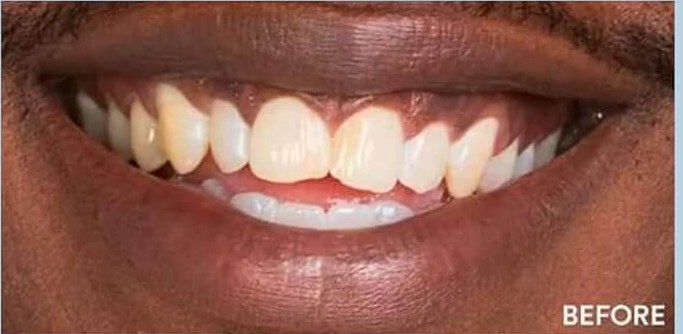
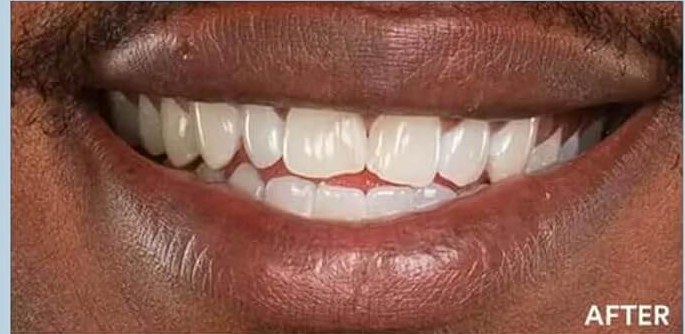
No mess and it stayed
Thirty minutes while I answer emails. The difference is still there weeks later, which never happened with the powder no matter how long I brushed.
ReneeVerified Buyer
Quick questions
-
Will it hurt?
The manufacturer states the gel is formulated not to cause sensitivity. Peroxide can still cause temporary sensitivity in some people. Spacing treatments further apart is the usual answer. Experience varies.
-
How fast does it work?
The manufacturer states LED-accelerated results in 30 minutes and a brighter smile after the first use, with the full course over the twenty treatments in the box. Deeper staining takes longer. Results vary.
-
Can I still use my normal toothpaste?
Yes, and you should. A whitening kit is not a substitute for a fluoride toothpaste, which is one of the quiet problems with powders that replace it.
-
What about crowns and veneers?
No whitening product changes the colour of ceramic or composite. That is true of gels and powders alike. Ask your dentist how yours will look against whitened natural teeth.